
Emerging threats
Kratom, Extracts & Synthetics

What is Kratom?
Kratom is a plant native to Southeast Asia (Mitragyna speciosa). It contains active compounds that interact with the same brain receptors targeted by opioids, producing effects that can resemble drugs like heroin or fentanyl. Some people use kratom products to manage pain, improve mood or energy, or reduce opioid cravings. However, these products are not standardized, can vary widely in potency, and carry meaningful health risks.
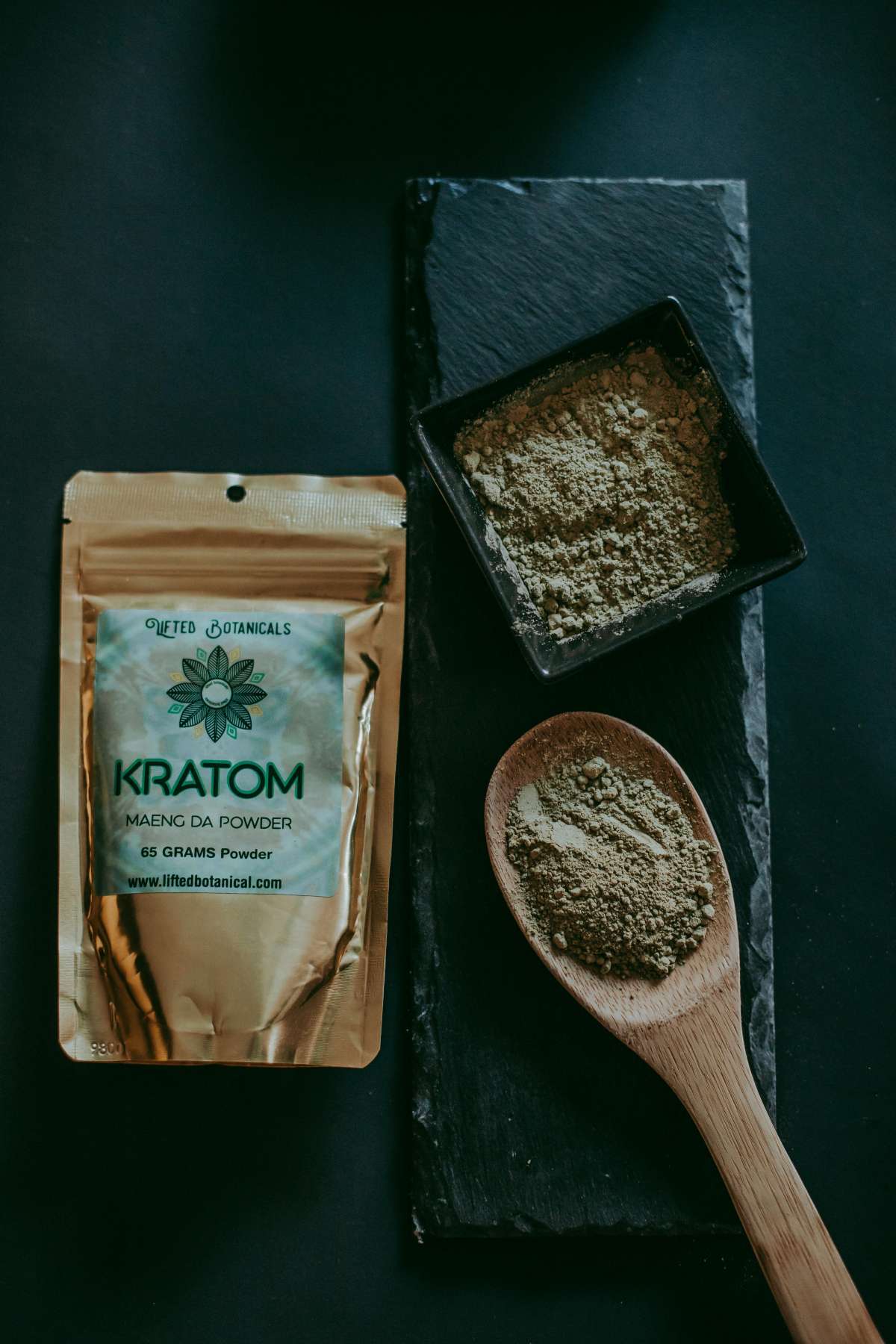
Kratom is imported into the United States and processed into a range of consumer products. It is commonly sold in convenience stores, gas stations, vape shops, supplement retailers, and online marketplaces. Because there is no consistent oversight of how it is manufactured or labeled, the strength and composition of these products can differ significantly.
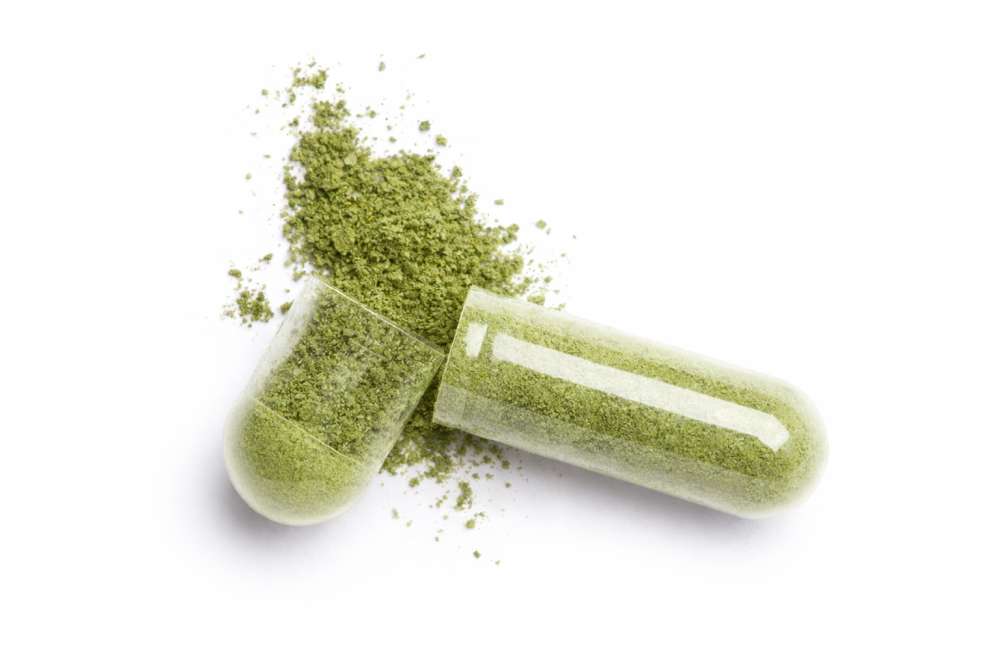
Common product forms include:
- Capsules
- Powders
- Gummies
- Teas and energy shots
Why are health officials concerned?
Public health authorities have raised concerns that kratom and its synthetic derivatives could contribute to ongoing opioid-related issues. Certain compounds derived from kratom – particularly 7-hydroxymitragynine (7-OH) – along with lab-made variants such as MGM-15 and MGM-16, can be far more potent than morphine.
Reported health risks include:
- Dependence and addiction
- Withdrawal symptoms
- Mental health effects such as hallucinations or delusions
- Other long-term health complications
At higher doses or in certain conditions, kratom can also produce severe opioid-like effects, including:
- Slowed or impaired breathing
- Seizures
- Respiratory failure
- Coma
- Death
Regulatory and monitoring agencies have taken note:
- The Drug Enforcement Administration lists kratom as a “Drug and Chemical of Concern”
- The Food and Drug Administration has identified it as having opioid-like properties
- In 2026, the U.S. Navy prohibited kratom use among service members
Data trends reinforce these concerns. Reports to poison control centers involving kratom have increased dramatically over the past decade, with a sharp rise in recent years. A large majority of kratom-related deaths involve the use of additional substances such as opioids, stimulants, or alcohol.
There is also growing concern about synthetic and highly concentrated products, especially those marketed in forms that may appeal to younger users, such as flavored gummies or novelty-style edibles. These products can contain elevated levels of active compounds, increasing the risk of harm.
An unregulated market
Kratom has not been approved by the FDA for the treatment of any medical condition. In the absence of consistent regulation, product quality and labeling are unreliable. Some products may contain unknown ingredients or unexpectedly high concentrations of potent compounds like 7-OH or its synthetic counterparts.
These products are often promoted as “natural” remedies for pain, energy, or opioid withdrawal, which can give a false sense of safety. In reality, the lack of standardization increases the likelihood of misuse, repeated dosing, and adverse outcomes.
Key concerns include:
- Inconsistent potency between products
- Misleading or inaccurate labeling
- Potential contamination or undisclosed additives
- Broad retail availability
In many areas, there are also limited or no restrictions preventing youth from purchasing kratom products.
Approaches in Washington state
In response to rising community concerns, several Washington jurisdictions—including Cle Elum, Spokane, and Spokane Valley—have implemented local bans on kratom products. The West Spokane Wellness Partnership, through its Policy Workgroup, played a key leadership role in advancing prevention-focused policy efforts by partnering closely with the City of Spokane to support the development and successful adoption of a local kratom prohibition ordinance. The coalition contributed community data, stakeholder engagement, and prevention expertise to inform decision-making and build support for the ordinance, demonstrating its commitment to reducing substance misuse and strengthening community health.
Other jurisdictions are considering regulatory approaches such as retail licensing or zoning restrictions, though these may still allow widespread access.
At the state level, multiple legislative proposals have been introduced to address kratom, each offering different regulatory strategies. To date, no single approach has been adopted statewide.
Public health efforts often focus on environmental prevention strategies and policy-based approaches. These include actions such as restricting availability, limiting retail access, and implementing local ordinances. These strategies are widely recognized as effective, evidence-based methods for reducing substance-related harm at the community level.
Bottom line:
Kratom remains widely available and largely unregulated. Its effects can vary significantly depending on the product and dose, and it carries risks ranging from dependence to severe overdose – particularly when combined with other substances. Until broader regulations are in place, oversight is largely handled at the local level.